

Why Preschool Education Matters in an International School in Thailand
Submitted by milestones_admin on Wed, 01/21/2026 - 17:45
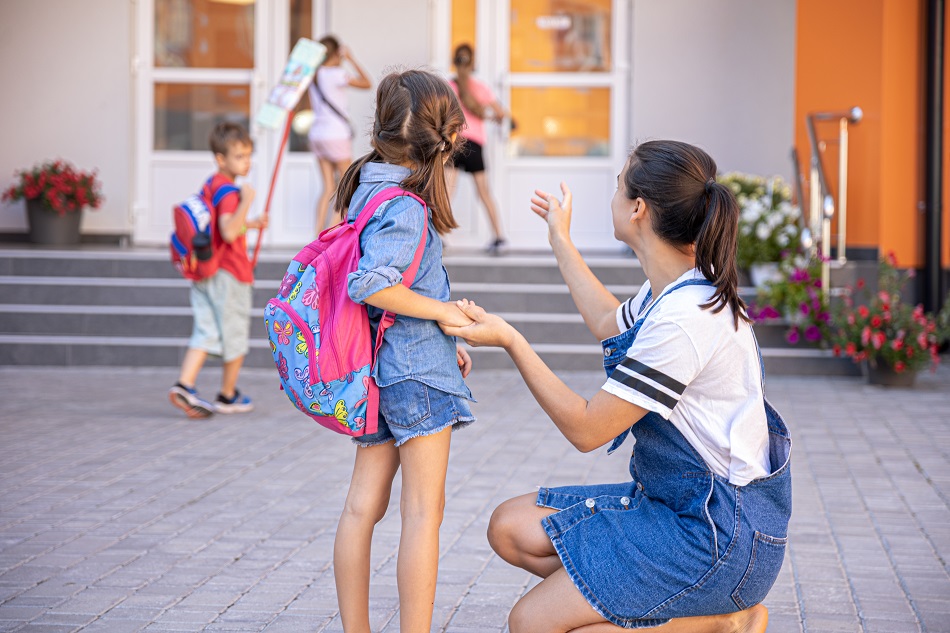
Preschool is of enormous importance to shaping the foundation for a child’s lifetime learning. Increasing numbers of families in Thailand are opting for an international school preschool, particularly those seeking holistic development, global perspectives and strong early learning environments. Knowing what is different about preschool education in an international school can help parents to make the right choices for their children with confidence.
The Importance of Preschool Education
A global pandemic convinces many families distinguished by economic and social advantage that preschool is more than merely preparation for primary school. It is a period in which many fundamental cognitive, social, emotional and physical skills are developed throughout the early months of life. While developing their confidence, as well as their communication and team work skills, children are able to express themselves emotionally within a structured and nurturing environment. Quality, play-based programs that allow children to develop curiosity and creativity teach them a love of learning even before they get to kindergarten.
International schools in Thailand all take a keen interest in the early years of their pupil's development and confide that preschool programs should be designed to suit the developmental needs and international standards.
A Play-Based and Child-Centered Approach
Child-Centered Learning Approach One of the major advantages for sending your child to preschool education in an international school in Thailand is its child-centred leaning approach. This contrasts sharply with the traditional focus on academic achievement; play-based and experiential learning are generally more common. With guided play, stories and music, art projects and even a little experimentation with some simple tools, children grow into language use, problem-solving and even social awareness.
This method supports kids in learning at their own rate and promotes independence and self-expression. Teachers serve as facilitators, supporting learning according to the interests and developmental levels of each child.
Learn To Speak English while immersed in nature
Since children can learn multiple languages more effectively before the age of four or five, preschool programs at an international school have language acquisition as one of their incredible assets. The main language of instruction is usually English, so children become exposed to this language in a relaxed way on a daily basis as part of the interactive songs, stories and classroom activities.
Every child growing up in Thailand can benefit from early preschool support through exposure to English language without the stress or pressure of communicating. Some international schools also promote multilingualism, respect for multiple languages and acculturation to cultures other than English.
Qualified Teachers and International Standards
Pre-schools in international schools in Thailand are operated by trained professionals, usually with experience and training abroad. Teachers are grounded in child development theory, and therefore provide safe and nurturing classrooms where children are supported and valued.
The content of programmes are frequently framed in the British EYFS, IB primary years programme or other internationally reputed models for early childhood. These programs help ensure that children are ready for a good quality primary education.
Holistic Development Beyond Academics
A good preschool is one that includes: A strong curriculum that specializes on the whole child. Thesekidsnot only learn early literacy and numeracy, but they develop their social skills and emotional intelligence, physical coordination and positive learning habits. Opportunities for outdoor play, group work and creative expression enable children to develop resilience, empathy and cooperation.
International schools in Thailand also have a focus on virtues like respect, kindness, being aware of other cultures and the importance of global citizenship— qualities that are becoming more and more important in our interdependent world.
Raising Children for a Global Tomorrow
Early childhood education in a bilingual international school sets children up for achievement and success academically as well as balancing their life within the diverse and global community. Learning with peers from different backgrounds will enable children to be exposed to such multi-cultured surroundings at their early age in their life long learning experience which promotes open-mindedness and flexibility.
So the early learning has always been about helping children move successfully into first school, where they do that with a sense of confidence, curiosity and self.
Conclusion
Selecting a kindergarten at an international school in Thailand is less of a choice and more of an investment into a child’s holistic development and their future learning journey. Preschool at an international school with a child-centric program, inspired by language immersion and led by qualified professionals, assures young learners are on the right path to success in school and life in an ever-changing world.